Thursday, June 19, 2025

Wednesday, February 19, 2025
Book Series worth reading
I feel like there used to be a lot more books series that I loved, where I would wait for the next book, and basically consider it an auto buy.
These days the list is a lot shorter, so I did some goodreads research on my last 6 years of reading, and put together some lists.
Series that were great but the next book may never come (Just saying).
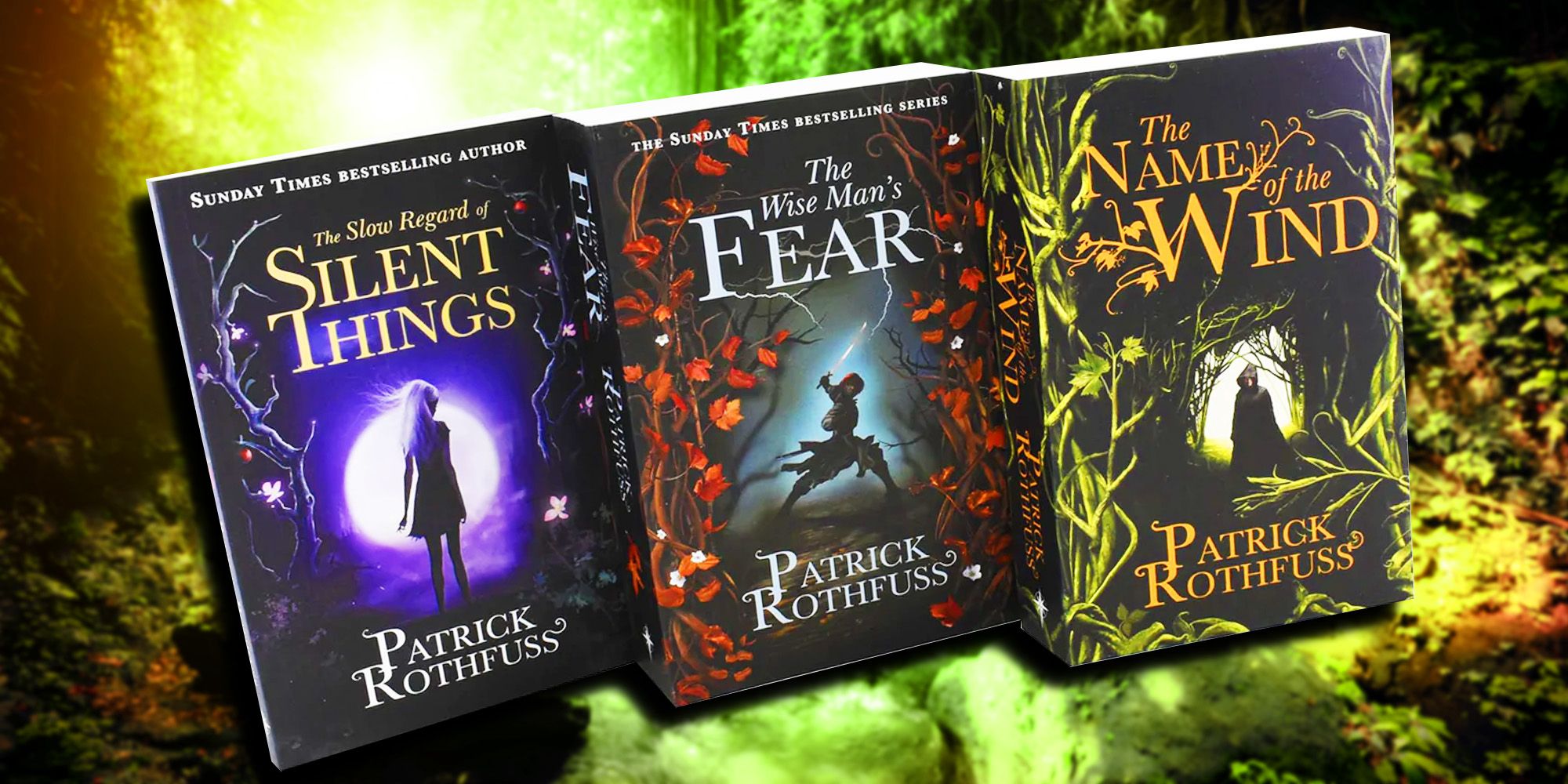
- The Kingkiller Chronicle - Rothfuss
Rothfuss will probably never finish this series, but the sheer ambition, lyricism, and (frankly) hubris of this series just makes you sit back and admire it. Every sentence seems crafted, and there is a lot to enjoy in the two main books. (The slow regard of silent things is a short story and a little different in style).
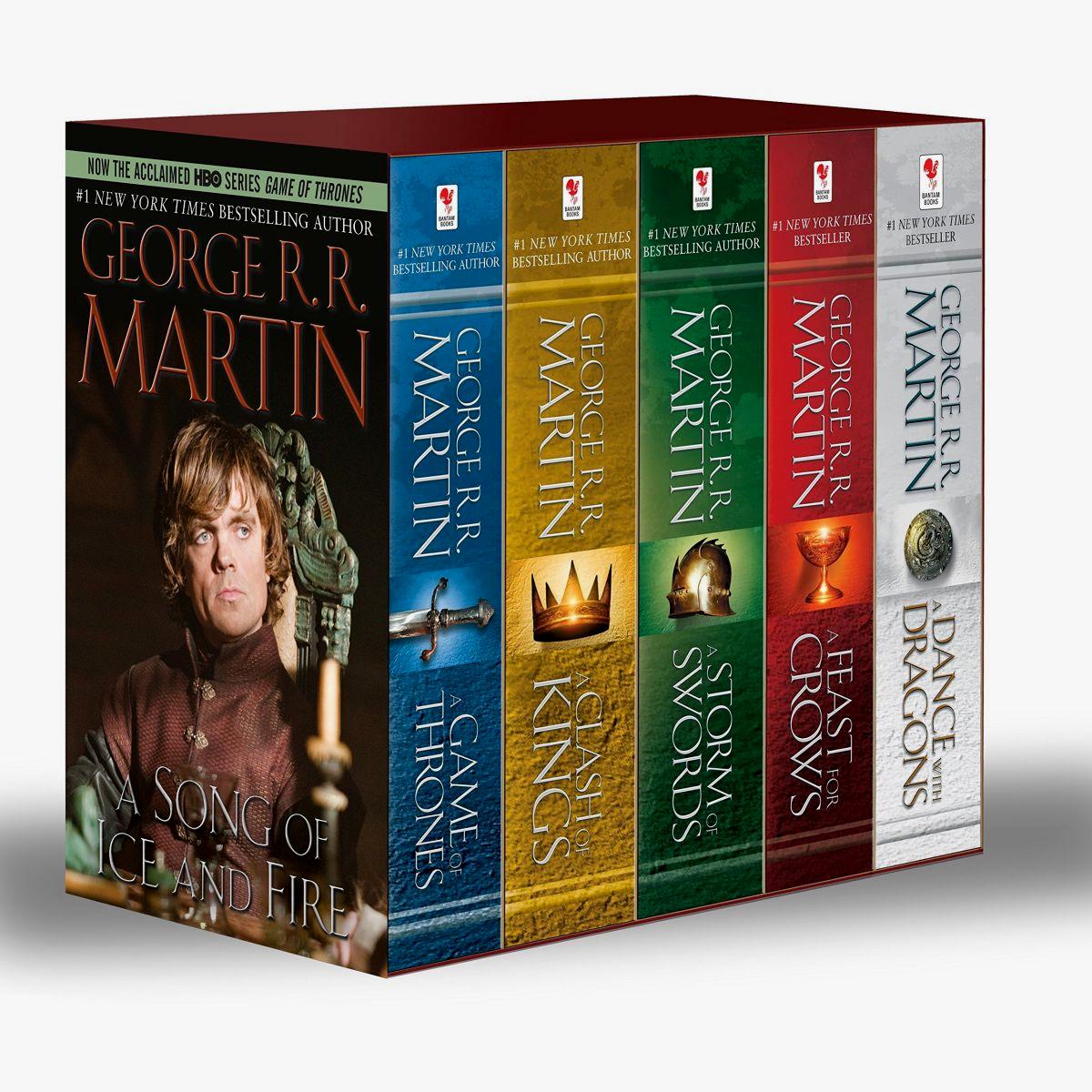
- A Song of Ice and Fire - Martin
I remember first reading A Game of Thrones in the late 90's and being absolutely blindsided by the ending (that went on to shock a bunch of people in the TV show much later). I had read some Grimdark at that point, but this was the best I have ever read, and I have been very impressed by a lot of it, although I think George has got himself a little lost in the plots at this point. The Dunk & Egg short stories are also very good.
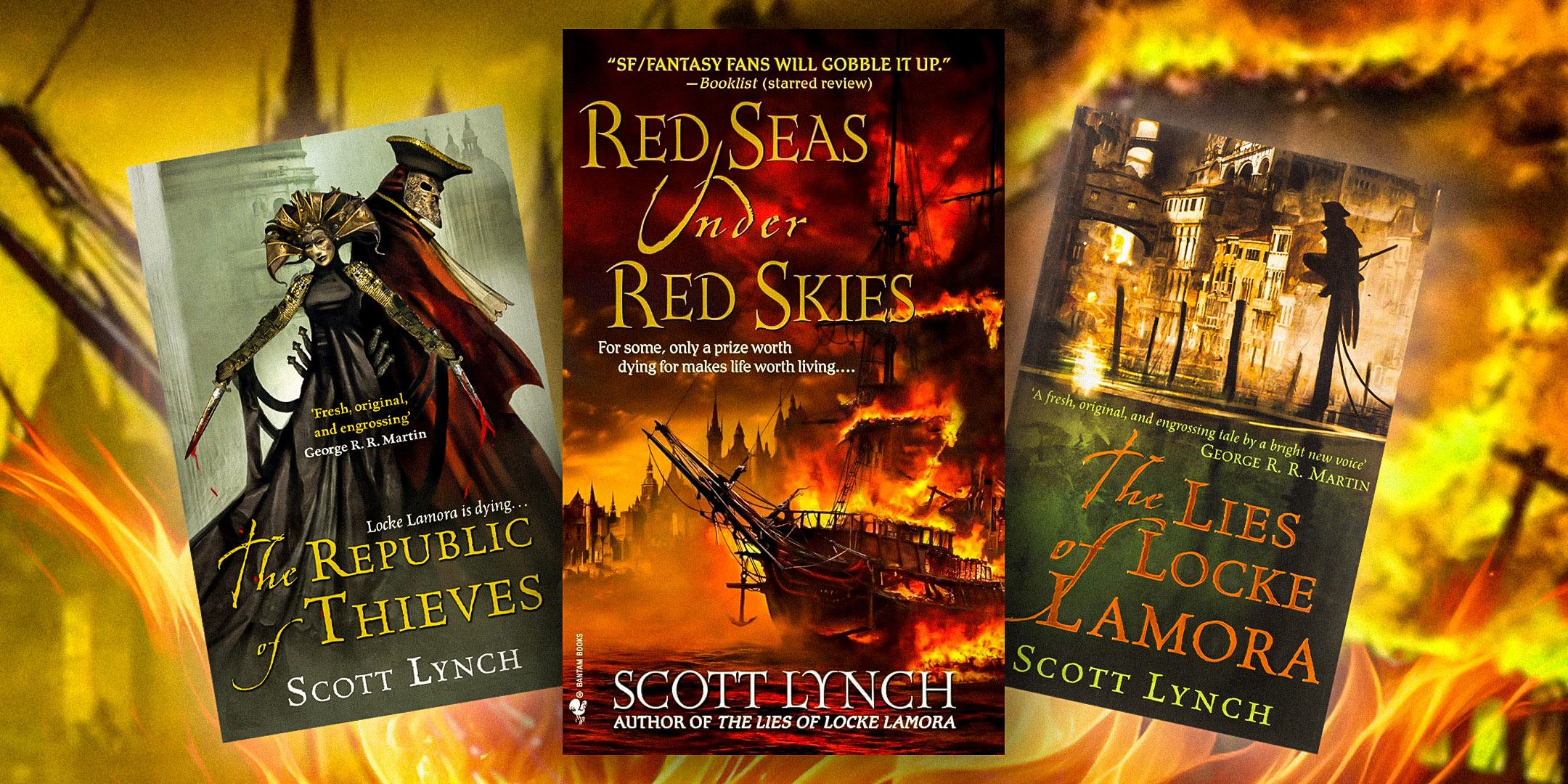
- Gentleman Bastard - Lynch
I have never encountered swearing as inventive, as creative, and as supportive of the story as the foul-mouthed thieves of Lynch's world. The first two books in particular are absolutely amazing, and there are also some nice short stories in this world as well.
Series that were great but have now completed, or the author died, and I still reread.
- Discworld - Pratchett
The best. There may never be an author that does it as well as peak-Pratchett. Start with Guards! Guards! and read the books that every author looks up to. Sheer genius.

- Culture - Banks
Banksy got it, he realised that every SF novel has an infinite special effects budget, and he had the imagination to use it. Iain Banks is best known for his Culture novels, and they are a ton of fun. Space ships with insane names, bad attitudes, and a taste for intrigue; they tolerate the human meat sacks, but only to a point.
- Vorkosigan Saga - Bujold
Lois McMaster Bujold has won 6 Hugos (4 best novels and 2 best series) and there is a reason, she makes bold, astonishing narrative decisions that seem impossible, but somehow seem to work.
- Hyperion Cantos - Simmons
- Aubrey & Maturin - O'Brien

Series that are great and I buy the next book when it comes out:
- The Tyrant Philosophers - Tcahikovsky

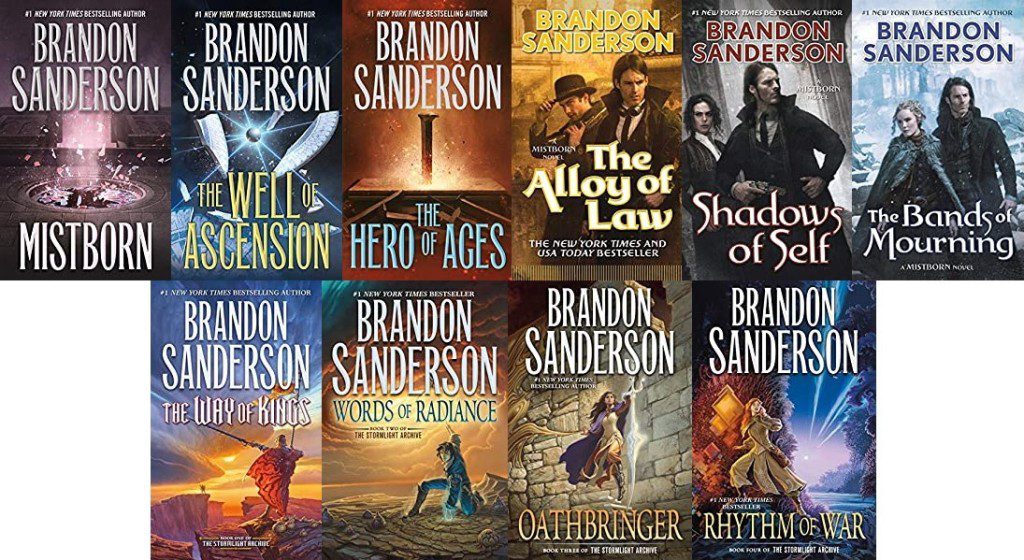
- Stormlight / Mistborn - Sanderson
- Jackpot - Gibson

- Penric and Desdemona - Bujold

Tuesday, January 07, 2025
Conservatism
"There must be in-groups whom the law protects but does not bind, alongside out-groups whom the law binds but does not protect."
I then discovered that the originator of this quote was often misattributed, which led me to the original quote (from a Frank Wilhoit) in a blog post. The broader comment was very interesting, particularly the implication:
"The core proposition of anti-conservatism requires no supplementation and no exegesis"..."The law cannot protect anyone unless it binds everyone; and it cannot bind anyone unless it protects everyone."
So...
I then wanted to keep a copy of all of this for reference, so created this article, including the entire text from the blog comment: (I've corrected some minor typos):
There is no such thing as liberalism — or progressivism, etc.
There is only conservatism. No other political philosophy actually exists; by the political analogue of Gresham’s Law, conservatism has driven every other idea out of circulation.
There might be, and should be, anti-conservatism; but it does not yet exist. What would it be? In order to answer that question, it is necessary and sufficient to characterize conservatism. Fortunately, this can be done very concisely.
Conservatism consists of exactly one proposition, to wit:
There must be in-groups whom the law protects but does not bind, alongside out-groups whom the law binds but does not protect.
There is nothing more or else to it, and there never has been, in any place or time.
For millennia, conservatism had no name, because no other model of polity had ever been proposed. “The king can do no wrong.” In practice, this immunity was always extended to the king’s friends, however fungible a group they might have been. Today, we still have the king’s friends even where there is no king (dictator, etc.). Another way to look at this is that the king is a faction, rather than an individual.
As the core proposition of conservatism is indefensible if stated baldly, it has always been surrounded by an elaborate backwash of pseudo-philosophy, amounting over time to millions of pages. All such is axiomatically dishonest and undeserving of serious scrutiny. Today, the accelerating de-education of humanity has reached a point where the market for pseudo-philosophy is vanishing; it is, as The Kids Say These Days, tl;dr . All that is left is the core proposition itself — backed up, no longer by misdirection and sophistry, but by violence.
So this tells us what anti-conservatism must be: the proposition that the law cannot protect anyone unless it binds everyone, and cannot bind anyone unless it protects everyone.
Then the appearance arises that the task is to map “liberalism”, or “progressivism”, or “socialism”, or whateverthefuckkindofstupidnoise-ism, onto the core proposition of anti-conservatism.
No, it ain’t. The task is to throw all those things on the exact same burn pile as the collected works of all the apologists for conservatism, and start fresh. The core proposition of anti-conservatism requires no supplementation and no exegesis. It is as sufficient as it is necessary. What you see is what you get:
The law cannot protect anyone unless it binds everyone; and it cannot bind anyone unless it protects everyone.
Saturday, June 02, 2018
Arrgh! Henry Kissinger talking about expert systems.

Arrgh, Henry Kissinger talking about expert systems, nothing could trigger me faster. Thank you Bernard, here I go:
Firstly: Chess and go are examples of how well cognitive systems perform is closed
environments, where all the rules are known and the goal perfectly clear.
Expert systems are just algorithms designed to optimise the win conditions and
nothing more, it is indeed humans who set this win conditions, and they (as
with all engineering projects) need to choose the speed at which they develop.
Self driving cars have been in development since 1995. Companies that have
pushed too hard too fast (Tesla, Uber) have seen what often happens to such
efforts, and more cautious companies (Google) are developing solutions that are
much more robust.
Now to the three areas of concern raised by Henry:
1 - Unintended results, Yes! science love
unintended results as it can point the way to new paths of understanding, but
this is how we as humans can challenge our assumptions. We set the win
conditions and are then amazed when the computer finds an original new path too
them. This is the very nature of science. It works better than just bombing Laos.
3 - Expert systems cannot explain the
rationale, I am very sceptical about this, as again it is the programmer who
set (and can audit) the win conditions. The solutions may seem strange, but
they will always be defined by clear criteria, which can be interrogated. If you want to look for weird win conditions, Henry was the master of that in his foreign policy.
2 - AI may change human thought patterns
and goals. The more I thought about this the more I realised that HK had a
point, albeit one that is regularly made. Facebook and Google are platforms
using cognitive systems to sell clicks of advertisements (or lie about clicks
and then sell them). This has lead to everyone getting to live in their little
echo chamber and struggling to engage with alternate points of view.
So the real concern is how to we broaden
the human mind to consider multiple perspectives and care about the results of
our actions. I struggle to see how a national vision on A.I. will help us,
although a bit more philosophy in our schools and
universities might be a good step. Seems a shame Kissinger didn't raise that.
Saturday, February 03, 2018
Jordan Peterson, winning isn't everything.
I am assuming that readers of this have seen the Jordan Peterson - Cathy Newman interview which has catapulted Mr. Peterson to fame (perfect book launch!). It is compelling viewing, and has been viewed a bit under six million times in the last week. The Australian news paper has also had a series of articles about Peterson and responses to the interview. If you have not seen the interview please take a look:
There is no debate that Ms. Newman got owned, there has been a lot of analysis of the interview, but the main point is that Ms. Newman was unprepared for what she was getting into, a debate with a empirical clinical psychologist.
As a result of this I started to watch some of Mr. Peterson's videos on YouTube, and discovered that all of his lectures are available, and he is a fantastic thinker, and very interesting chap. I particularly enjoyed his viewpoint on atheism)
However the point I wanted to try to capture in this article is that I did think Mr. Peterson made two errors (and possibly only two) and that they are worth noting as they speak to errors that can be made by those people who believe they are winning any argument.
Firstly, beginning at 21:44 Ms. Newman is forced to carefully reconsider her beliefs about free speech, it is the most amazing moment of the interview, Mr. Peterson has made his argument so compellingly, that she is forced to reconsider her beliefs and re-examine her intellectual rigour live!
Mr. Peterson makes his first and simplest mistake then; he says "Ha! gotcha!" acknowledging that Ms. Newman has been playing gotcha politics all interview and yet he has created the moment.
Ms. Newman is doing a very brave thing here, she is genuinely thinking, and about to come up with a reasonable point, and doing it all on live TV (something Peterson has done all interview), and at that point the best thing to do is to wait for your opponent to develop their argument, not to embarrass them. Mr. Peterson has held the upper hand in the interview the entire time, and that was the only point where I felt he lost it.
Finally, when Ms. Newman does develop her augment further, Mr. Peterson says something very interesting, namely that he would address his students by transgender pronouns if asked personally to do so. This is seemingly at odds to his previous position established on air that he would refuse to do so (at 0:48):
Mr. Peterson denies changing his position, and yet it seems to me that he has made a change here, and possibly just to ensure that Ms. Newman has nowhere to run in the interview.
So while I have developed a great interest in Mr. Peterson's work, my lessons from the interview come mainly from what I see as his mistakes...
There is no debate that Ms. Newman got owned, there has been a lot of analysis of the interview, but the main point is that Ms. Newman was unprepared for what she was getting into, a debate with a empirical clinical psychologist.
As a result of this I started to watch some of Mr. Peterson's videos on YouTube, and discovered that all of his lectures are available, and he is a fantastic thinker, and very interesting chap. I particularly enjoyed his viewpoint on atheism)
However the point I wanted to try to capture in this article is that I did think Mr. Peterson made two errors (and possibly only two) and that they are worth noting as they speak to errors that can be made by those people who believe they are winning any argument.
Firstly, beginning at 21:44 Ms. Newman is forced to carefully reconsider her beliefs about free speech, it is the most amazing moment of the interview, Mr. Peterson has made his argument so compellingly, that she is forced to reconsider her beliefs and re-examine her intellectual rigour live!
Mr. Peterson makes his first and simplest mistake then; he says "Ha! gotcha!" acknowledging that Ms. Newman has been playing gotcha politics all interview and yet he has created the moment.
Ms. Newman is doing a very brave thing here, she is genuinely thinking, and about to come up with a reasonable point, and doing it all on live TV (something Peterson has done all interview), and at that point the best thing to do is to wait for your opponent to develop their argument, not to embarrass them. Mr. Peterson has held the upper hand in the interview the entire time, and that was the only point where I felt he lost it.
Finally, when Ms. Newman does develop her augment further, Mr. Peterson says something very interesting, namely that he would address his students by transgender pronouns if asked personally to do so. This is seemingly at odds to his previous position established on air that he would refuse to do so (at 0:48):
Mr. Peterson denies changing his position, and yet it seems to me that he has made a change here, and possibly just to ensure that Ms. Newman has nowhere to run in the interview.
So while I have developed a great interest in Mr. Peterson's work, my lessons from the interview come mainly from what I see as his mistakes...
Tuesday, November 14, 2017
Quotes
“It's like everyone tells a story about themselves inside their own head. Always. All the time. That story makes you what you are. We build ourselves out of that story.”
- Patrick Rothfuss, The Name of the Wind
"We have True Wisdom, Divine Speed, and Maximum Justice. We are, this fine diurnal period kicking serious ass. We are green across the board. The system likes me a lot, and I am awful damn fond of it, too. We have Total Mutual Respect and Admiration." - Daniel Keys Moran, The A.I. War.
- Patrick Rothfuss, The Name of the Wind
"We have True Wisdom, Divine Speed, and Maximum Justice. We are, this fine diurnal period kicking serious ass. We are green across the board. The system likes me a lot, and I am awful damn fond of it, too. We have Total Mutual Respect and Admiration." - Daniel Keys Moran, The A.I. War.
Saturday, August 19, 2017
On Statues
In the Australian article “PC extremists police thought by rewriting the world’s history” Brendan O’Neil talks of removing statues:
“In truth, there’s nothing good in this mob-like erasure of history. It’s a reactionary, even Orwellian, movement.”
The the West Australian article “Both sides wrong on burqas"Paul Murray talks of removing statues:
“They want to obliterate the parts of history that offend them, rather than use them as evidence to point to the failings of the past.”
I disagree, I think the details matter. Let us look at the case of the statue amidst all the controversy, that of Robert E. Lee in Charlottesville. The statue was erected in 1924, well after the civil war, and was erected with a speech about “the moral greatness of the old South”. 16 Blacks were lynched in the United States of America that year, as statues like these were erected as part of a movement to recast the civil war as a conflict between interpretations of the Constitution. The same year as Lee’s statue appeared in Charlottesville, Virginia passed laws which strengthened definitions of who was “colored” and who was “white”, and which reinforced the law prohibiting interracial marriage. Then, two years later, the state passed a law to enforce racial segregation in places of public entertainment.

By Cville dog - Own work, Public Domain, Link
Black people in Charlottesville have walked past that statue for more than 90 years, and their taxpayer dollars have funded the maintenance of a statue designed to recast history. Last year a young high school girl petitioned the City to have the statue removed. This is an appropriate way to address these concerns, and reflects a respect for the law. The City Council considered the request, and eventually decided to remove it, leading to the protests that have occurred.

By abc News
The disturbing presence of white supremacist groups at the recent protests show that these groups understand the real significance of the statue, as well as the importance of continuing to re-position the “Old South”. These protests and the terror attack that followed has certainly reinforced the validity of the original request to remove it.
Statues and public art celebrate history, and there are times when that celebration is not appropriate. Move them to museums and provide appropriate historical context.
Regarding the original article, making broad sweeping statements is always dangerous, but it particularly so when it energises neo-nazis and hate groups, public debate needs to improve in our nation’s papers.
Sources:
- http://www.chesnuttarchive.org/classroom/lynching_table_year.html
- https://www.nytimes.com/2017/08/13/us/charlottesville-rally-protest-statue.html
Thursday, September 15, 2016
Impermanence
The current of the flowing river does not cease, and yet the water is not the same water as before. The foam that floats on stagnant pools, now vanishing, now forming, never stays the same for long. So, too, it is with the people and dwellings of the world. (Hōjōki, Chambers)
Saturday, August 06, 2016
The Man who fell to Earth (5.5/10)
Walter Tevis
Science Fiction
A melancholy novel, written
in the 1960’s and set in the 1980’s, it build slowly around a character from
another planet who is building something on Earth. Very few characters are
fully fleshed out here, and those that are, are often drunk especially in the
second half of the book. It is well written, and has a timeless feel to it, but
it does not provide much in the way of action. The final scenes are not where
the standard book would go, and the author should be respected for that, but it
still left me feeling a little sad, and a little underwhelmed.
Quality 2/5
Readability 3.5/5Saturday, March 07, 2015
The young
Wednesday, March 13, 2013
Great SF Novels
Recently, while reading ‘Existence’ by David Brin I was
struck by its’ similarity to an earlier novel of his, ‘Earth’ which in turn
made me think about just how affected I had been by that work. This lead me to
thinking about all the SF books that had really rocked me, and I decided that
it was time for a list.
My (self-imposed) rule was to limit authors to two books at
most, and that seemed to work fairly well.
All these books are brilliant, but the order also reflects
my opinion on how they rank against each other (finishing with the best).
 Iain M Banks
Against a Dark
Background
Use of Weapons
Iain Banks is best known for his Culture novels, and they
are a ton of fun. Space ships with insane names, bad attitudes, and a taste for
intrigue; they tolerate the human meat sacks, but only to a point. Use of Weapons uses a common Banks
outsider protagonist to introduce the Culture, but also has a wonderfully dark counterpoint
stemming from the main character.
Against a Dark
Background is one of the best dystopian SF novels I have
read. Filled with creative and dark characters, toys and thoughts, this is a
book that showed me what imagination was. This is one of Banks’ rarer
non-Culture SF books, and a great stand-alone read.
 Dan Simmons
Hyperion
The Rise of Endmyion
When I first finished Hyperion
I threw it away, I was absolutely disgusted that the characters that I was
so invested in had just been left at the moment of climax. It was only 18 months
later that I discovered that there was a second book, and all was forgiven. The Hyperion Cantos is dark and
powerful SF, a fascinating look into what happens when religion and artificial intelligence
combine. Dan Simmons is a horror writer and it does show, but this horrific
vision has a powerful arc, with a touchstone that is our own humanity. The Rise of Endmyion was particularly
notable because of how well it brought the series of books together, in a way
that I though was going to be almost impossible.
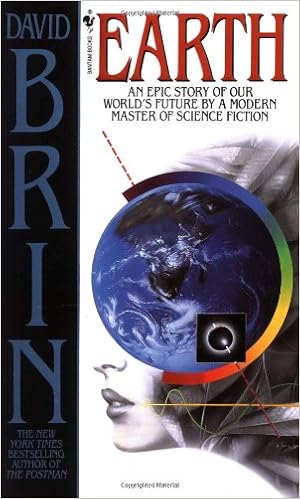 David Brin
Earth
Startide rising
What sets David Brin apart from the other authors here, is
his attempts to think about the environment and the moral implications of what
humanity does with the Earth. Earth
was a 40-years in the future SF novel, one of the hardest to write, but it is
done is such a lovely way, introducing us to all the scientific ideas and areas
of debate about the future of this Planet and humanity itself.
Startide Rising,
one of the Uplift novels, is set in a
more distant future, where humanity has been contacted by aliens, and we are
bottom of the food chain. In this universe the primary aim is to help other
races evolve intelligence, to uplift them, and humans are the only orphan race
in the galaxy. I loved the first trilogy in this series and setting up humanity
as the underdog certainly makes you empathise with the characters.
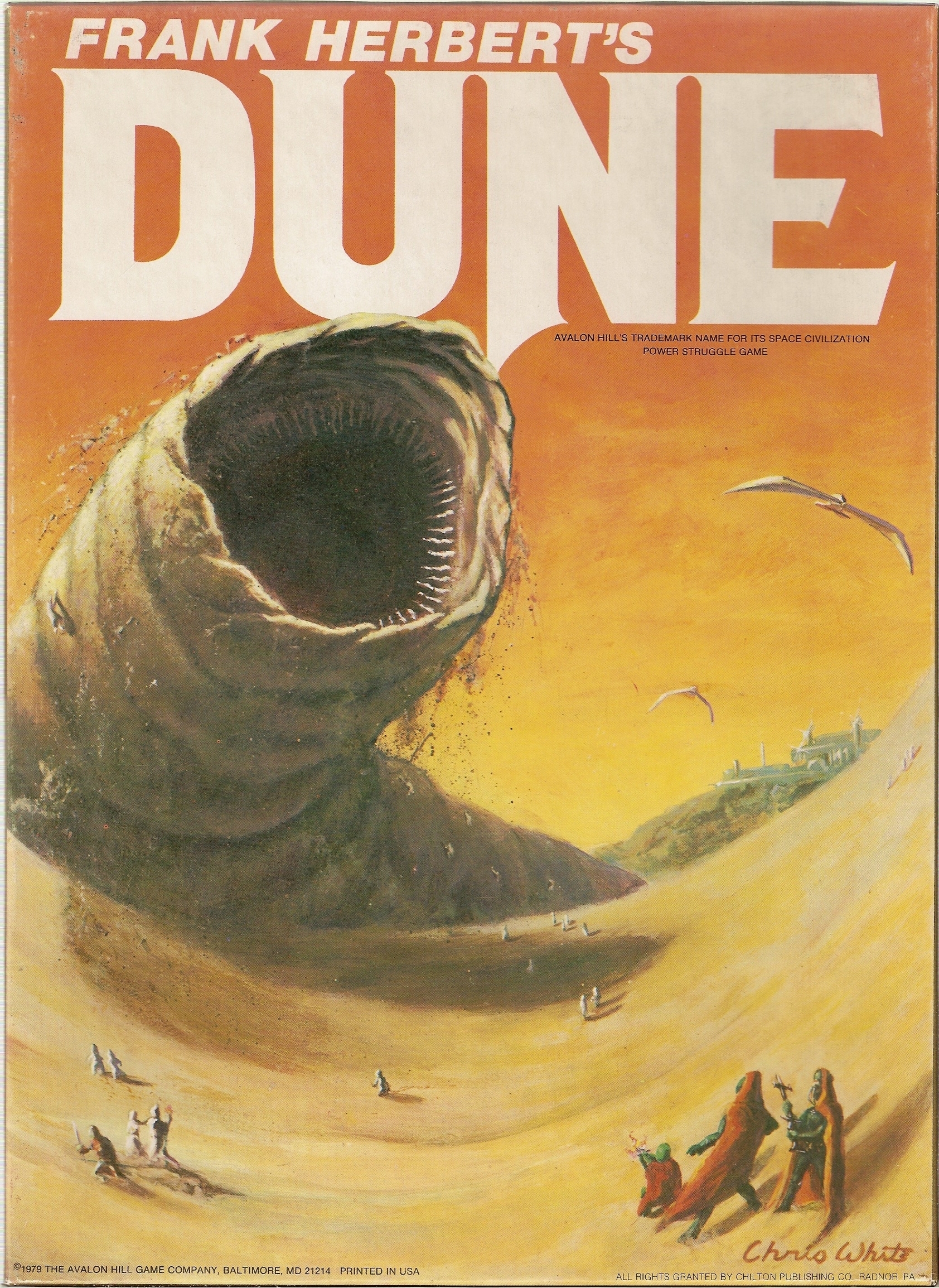
Frank Herbert
Dune
Proper space opera, with sword fighting, giant worms, and an
empire based around one thing, melange. The world building in Dune is
fantastic, and the feudal nature of the characters also works well, making
loyalties and betrayals even more powerful. This is the classic SF novel, it
won every prize in its’ day and remains pure genius.
Daniel Keys Moran
The Long Run
 The Last Dancer
Unlike the other authors on this list, Daniel Keys Moran is
a relative unknown. This stuns me, because the first few books in his series of
the continuing time are as action packed and complexly plotted as any series I
have read. The books give you a feeling of scope and vision that sadly DKM has
not yet been able to fully realise, but they are just as good as stand-alone
novels. The Long Run is a fantastic
action tale, based around a strong central character, a thief who is becoming a
god. The Last Dancer, however is
something else entirely, partially written thousands of years in the past, and
partially during a new American Revolution, it is just too much fun.
Neal Stephenson
Snow Crash
Anathem
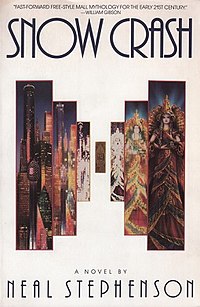 From the first page of Snow Crash you know that you are
reading the best damm SF you have ever laid your hands on. If Vernor Vinge
makes you think about the universe, Snow Crash smashed a near-future America
into your face with stunning power. A sword wielding hacker against a modern
day Howard Hughes armed with Sumerian brain-control is completely over the top,
but it is the setting of this novel that truly gives it its’ power. The vision
of privatised America and the avatars of the future on the ‘Metaverse’ is one
that has already shaped much of the Internet as we know it (Mainly because all
the real geeks read, and loved, this book).
From the first page of Snow Crash you know that you are
reading the best damm SF you have ever laid your hands on. If Vernor Vinge
makes you think about the universe, Snow Crash smashed a near-future America
into your face with stunning power. A sword wielding hacker against a modern
day Howard Hughes armed with Sumerian brain-control is completely over the top,
but it is the setting of this novel that truly gives it its’ power. The vision
of privatised America and the avatars of the future on the ‘Metaverse’ is one
that has already shaped much of the Internet as we know it (Mainly because all
the real geeks read, and loved, this book).
The more I read Anathem the better it gets. I still cannot believe the publishers allowed Neal
to print a book that is basically
a philosophy primer. It is brilliant. The world, the characters, the plot are all
absolutely original. The fact that 'humans' actually turn up later in the book
only adds to the power of the novel. The book begins focused on a tiny 'monastery'
in the North, and ends encompassing the entire world within which it is based.
Amazingly for Neal Stephenson, probably
his best ending since 'The Big
U'.
Vernor Vinge
A Fire Upon the Deep
A Deepness in the Sky
 A Fire Upon the Deep
blew me away when I first read it. Here
was a truly original set of aliens, here
was a guy who was applying the changes in communication heralded by the
internet to the Universe, and the story itself was brilliant. I loved having to
work out what the aliens were from within their own points of view, and I loved
the ‘Zones of thought’ concept. The second book in that universe, A Deepness in the Sky had its’ own unique aliens, and a completely different
world view from the first book. Deepness also
had a marvellous multi-tiered plot that was beautifully constructed.
A Fire Upon the Deep
blew me away when I first read it. Here
was a truly original set of aliens, here
was a guy who was applying the changes in communication heralded by the
internet to the Universe, and the story itself was brilliant. I loved having to
work out what the aliens were from within their own points of view, and I loved
the ‘Zones of thought’ concept. The second book in that universe, A Deepness in the Sky had its’ own unique aliens, and a completely different
world view from the first book. Deepness also
had a marvellous multi-tiered plot that was beautifully constructed.
This is SF at its’ very best, testing your own vision,
questioning our assumptions about life, the fundamental laws of the universe
and where we stand in it. The absolute cornerstone of Science Fiction.
So that's my list, I would love to hear from anyone who feels that they know of a book that could stand up against these, as my reading list is always looking for expansion...
So that's my list, I would love to hear from anyone who feels that they know of a book that could stand up against these, as my reading list is always looking for expansion...
Wednesday, August 29, 2012
Terminal World (8/10)
Alastair Reynolds
Science Fiction
It begins with a fallen angel and ends with one rising. It begins and ends on Spearpoint, a vast tower that rises high into the atmosphere, and one of the last centres of civilisation on this world.
This novel travels far from this heart of the story and the world, and then returns all the way back. In fact this theme is the heart of the story, and touches every plotline...
This is what SF is all about, touches of Steampunk / Cyberpunk, scenes of wonder and realistic, gritty characters who do not care about how the world came to be, only their own place in it. This novel does not seek to answer every question, or fully explain every character, like a impressionist painting, it suggests, and the readers fill in the blanks on their own...
Some reviewers have complained about the lack of sequels and additional books set in this world. But I fail to see why we need to keep revisiting the same creation time and time again. This is the mentality that lead to Raymond Feist pillaging his Magician reputation to the last atom. Rejoice in what you see, and then move on.
I really enjoyed this book, it created a wonderful world that you think might just have a chance...
Quality 4/5
Readibility 4/5
Sunday, August 12, 2012
A few tweaks for the Games (Final)
Part of my essay on reforming the Olympics, earlier parts below...
(Part 1, Part 2, Part 3, Part 4, Part 5)

(Part 1, Part 2, Part 3, Part 4, Part 5)
Team Sports
Team Sports and the Olympics have always been an awkward fit.
The basic aims of “Higher, faster, stronger” really only partially appear here.
In addition to that, every team sport can hinge on the decision of an umpire or
judge, which is the very thing we are striving to avoid at these new Olympics. So
happily that means that I can get rid of Handball & Water Polo which really
are rather amusing (and similar) sports. Have you ever noticed that if you
drained the pool in Water Polo you pretty much get Handball?
We will also get rid of the ‘bouncy’ team sports of Volleyball and Basketball, so the US can say goodbye to two certain golds every
Olympics, and volley-ballers can go back to doing whatever it was before they
found a use for their height…
The Final Format
You may be wondering what the format for these Olympics would
be, as there is such a reduced number of events.
The answer is simple: One Day.
In a single day the athletes will participate in heats,
semis and finals. They are athletes; it should not be that hard. It would be
nice if we can put a pool in the middle of an athletics track and do it all in
the one place as well! We can have the Jumping, Shot Put and Weightlifting on
the side!
Opening and Closing Ceremonies will also be removed, although I did like Rowan Atkinson's effort for London.
So these would be the remaining events:
Athletics events
100m
200m
400m
800m
110m Hurdles
3000m
Steeplechase
400m Hurdles
Shot Put
Long Jump
High Jump
Marathon
4 x 100m
Relay
4 x 400m
Relay
Men's
Decathlon
Women's
Heptathlon
Weightlifting
Swimming events
50m
Freestyle
100m Freestyle
200m Freestyle
400m Freestyle
1500m Freestyle
4 x 100m
Freestyle Relay
4 x 200m Freestyle Relay
(The long distance swimming events have also been scratched
because that seems to have some sort of judgement system to determine if you
impeded other swimmers)
There we are, a better, simpler, more pure Olympics; celebrated
over a full day, a carnival of athletic prowess. If only we could get rid of
the drugs .

Conclusion.
This was primarily a place for me to lay down a reference for my ideas around the Olympics, but I have also enjoyed the conversations and arguments it has started as well. The Olympics has become a large bloated beast, reducing its' size will go a long way to putting everything that is silly about these two weeks back into proportion.
Thursday, August 09, 2012
A few tweaks for the Games (Part 5)
So there is one major rule that I wish to impose left, and
that is around… equipment.
Rule Number 5: No fancy equipment.
Equipment in the Olympics has always lead to a basic
inequality between athletes. Every medal in the track cycling in 1984 was
decided by the new disc wheels, and cycling continues with ever changing
technologies to this day.

Some sports are more susceptible to the performance of their
equipment than others (cycling, shooting, rowing) but the fact remains that
even such simple things as the javelin is affected by technological
development.
So farewell Track Cycling, Archery, Badminton, Rowing,
Shooting, Hockey, Table Tennis, Triathlon (don’t start me on domestiques), Pole
Vault, Discus, Hammer and Javelin, you have been thrown out of the party.
I have decided everyone can share a metal ball (nice and simple), and so Shot Put can stay. Similarly Weightlifting, where everyone uses the same weights.
Other changes I would propose…
Weightlifting.
Weight lifting is a great concept, but we need to get rid of
weight classes (who cares how much small people can lift?!?) and also this idea
about ‘snatches’ and ‘jerks’, very odd. One event, the person that can lift the
heaviest weight wins.
Swimming
Freestyle is the only stroke, in other words you can swim
any way you like, but the first person to the end wins.
Athletics
Triple Jump is gone, as it is just strange, and clearly the
product of a deranged mind.
Middle distance events (1,500 – 10,000) are also eliminated
as they are just people trying to run as slow as possible until the last lap. The intent was to see who could run the distance the fastest, not who had the best 'kick'. The Steeplechase does not have these issues, so it can be
the middle distance event that is left.
The Decathlon and
Heptathlon
The Decathlon will have to be reduced to seven events (as Discus
throw, Pole vault and Javelin throw have to go) we will leave in the 1500 metres,
as the points come from the time and not from how well you ‘kick’. We should also make it over just one day,
because, really.
The Heptathalon will be reduced to six events (no Javelin),
and also will require only one day.
Once I have recovered from this rant fully, we shall view what remains...
Friday, August 03, 2012
A few tweaks for the Games (Part 4)
Rule Number 4: No
events involving judgement.
It always ends in tears, someone seems to bribe someone, it
can’t be objectively measured, there are ‘unwritten’ rules, and most of us
can’t tell what is going on. This could be Grecco-roman wrestling, fencing or
gymnastics, but they all rely on scoring systems that cause nothing but
problems.
I must admit I have a soft spot for martial arts, there is a
certain purity to “last man standing” (or woman) but I have seen incredibly
controversial decisions in Boxing and Judo already in these games, and this has
leads to a large amount of acting in the Martial Arts generally. Tae-Kwon-Do is
a fantastic sport and my son loves it. What do we get in the Olympics? Two
people both attempt low kicks and then both throw their hands up in triumph to
convince the judges that they hit first, this is not martial arts... It is
theatre sports.
Diving was never a sport, just a way to kill time at the
pool, and my opinions on it are aligned with Gymnastics.
...which is an incredibly difficult sport to master I am
sure, but really it appears to be invented by a race of people who never wanted
to go outside and didn’t realise that their whole gym smells of socks (Hello
Russia!). I am sure it is hard to do, but ultimately it is like ballet, an art
form, not an athletic event. To admit Gymnastics into the Olympics is to admit
the possibility that Ballroom Dancing is an Olympic event in the future. They
both require artistic moves and get judged, the difference is minimal. (Oh
crap, they are trying to get in!).

And then there are the sword fighters... This should be
so cool! I mean a bunch of people with weapons trying to hit each other (why
don’t they add THAT to archery)! How can this possibly fail? The sad fact is,
it is utterly unwatchable, and despite the fact that everyone is (literally)
wired into a computer, it still manages to generate controversy. Two people
face each other, lunge, and one celebrates. In real sword fighting, stabbing a person one hundredth of a second
before they stab you would be considered a draw, at best...
So farewell to Martial Arts (Boxing, Judo & Taekwondo),
Wrestling (Freestyle and Grecco-Roman, not that anyone understands the
difference), Gymnastics (Artistic, Rhythmic, and yes, even Trampoline!), Diving
(Synchronised diving has already been rejected, and now, happily, can be
rejected twice) and Fencing. Your passing will doubtless bring tears, but not
as many as you cause right now...
This feels good doesn't it?
The Olympics is getting better by the minute, but what about all those other team sports, Badminton is clearly been working extra hard to get itself excluded this week, but that must wait for the next post...
Thursday, August 02, 2012
A few tweaks for the Games (Part 3)
Feeling happier as you watch the Olympics, merrily telling people that in a 'proper Olympics' these sports would not be there? Well we have many more to go...
Rule Number 3: We already have a great event for that!
Football (soccer) - The Olympic version has always been a strange
beast, the whole “everyone but three people need to be under 23” is random
beyond measre... The world cup should be enough (although well done team GB for
managing not to pick Becks, nice).
Cycling (Road) - Le tour determines the greatest complete road
racer of the year. All the Olympics does is produce an event where the trade
teams can have an unhealthy influence on the overall result (e.g. the Sydney
Olympics where Team Telekom won all the medals in a pre-planned move, or this
year when Bernie Eisel slotted into the ‘Sky’ train to ride for Cavendish.)
Tennis - AAARRGGH, we already have four tennis majors, why add
anything else? Especially when it just becomes a poor man’s Wimbledon (at
Wimbledon!). I just realised today there are mixed doubles in as well!

Golf & Rugby – I know, I know, they are not in right
now, but they will be in 2016 and the same applies to them as well. Four majors
for Golf, and the World Cup for Rugby. The fact that these sports are being added only adds to my
frustration here. While I would like to strip the Olympics down to a simple
elegant event, the organisers appear to want every sport in the planet
involved. Stay tuned for racing boats, oh wait, they tried that already, and didn't it work well...
Part 4
Tuesday, July 31, 2012
A few tweaks for the Games (Part 2)
(Part 1, Part 3)
Rule Number 2: It must be a sport.
This may come across as a little harsh, but certain events
in the Olympics really look like they were ‘created’ just to have an Olympic event,
and as such, don’t really raise the quality of the Olympic brand. Plus, they just look silly.
Yes, the obvious one here is Synchronised Swimming. No one
doubts that it is hard to spend twenty minutes upside down, underwater and smiling
like you have been poisoned by the Joker, but WHY?!?
Synchronised diving also gets called out here, I have my
issues with diving as well, but who thought that two people diving together was
a good idea? Not A Sport.
Walking – this is something everyone does, but if you want
to get somewhere quicker, then you RUN! There is no call for an event that
needs to be lined with thousands of officials staring with disturbing intensity
at people’s legs, while the athletes pretend to ignore them and walk ‘normally’.
If you like that sort of thing, go to a night club.
BMX / Mountain biking – This is a prime example of the issue
I have with walking. If you want to know who is fastest on a bike, fine. But then
creating silly courses and jumps and crashes just so you can be like that kid
who wears his shorts around his thighs is not on. Adding additional cycling
events just makes you feel like we were trying to find an event for our nephew
who is really not good at much apart from roaming around shopping centre car
parks on his bike.
Kayaking – There are two forms of this, the Sprint, and the
Slalom. The Sprint gets removed as it is slower than rowing and therefore just
silly. The Slalom is a massive man-made course that gets created for each
Olympics and we then add water. That is not Kayaking, you get it a kayak to
experience the random turns nature can throw at you, not to charge through a
course that is designed to be unchanging, and entirely man-made. Plus there are
silly gates you have to go backwards through, what is that about? The whole
thing feels very synthetic and false. Gone.

...and what's this fascination to make 'doubles' events for everything...
Beach Volleyball, the Times has beaten me to this one, but they have their facts straight. Any sport where there is a maximum size of
clothing for the girls is not taking itself seriously. (Yes I realise some of
those requirements were relaxed to let Muslims play at the Olympics, but
really, that just underlines my point).
Sailing – No, no, no. There is an inherent elitist element
to it, although I do like the fact that men and women often complete in the
same event. It is a bit like Formula One, lots of attention to getting the
equipment set up right, getting the right equipment, and making decisions around
weather conditions. Too much equipment and not enough athletic ability make
this fail to meet my criteria of an Olympic Sport... We have the America’s Cup
if you really want to get into that sort of thing.
What’s that you say? There are other sports that have much
more prestigious competitions than the Olympics? Let’s take a look!
Monday, July 30, 2012
A few tweaks for the Games (Part 1)
(Part Two here)
The Olympics need to be changed. I have been telling people this for years, and recently I decided to codify my opinions in a single place, so that I would have a reference point for my occasional rants (yes really). This is that place.
The Olympics need to be changed. I have been telling people this for years, and recently I decided to codify my opinions in a single place, so that I would have a reference point for my occasional rants (yes really). This is that place.
Every four years we are drowned in a massive number of events over a ridiculous period of time,
and every time people wonder why we keep adding sports, and basically making
the entire thing complicated and unwatchable. Don’t even start me on the fact
that some of these events involve animals, medieval weapons or convoluted
methods of movement that while not the fastest are somehow considered worthy of
inclusion (walking, butterfly, etc.).
So I have devised a series of rules to reduce the number of
events, and I will then look at how that would impact the overall event.
Rule number 1: No
animals.
Really, why did anyone ever think allowing circus tricks
into a sporting event was a good idea? I’m sure it is hard to make Buttercup
walk backwards, but I don’t see the point and I object to giving someone a
medal for it.
The requirement for horses merely serves to ensure that the ultra-rich
and royalty get to have an event they can participate in to the exclusion of
everyone else. We just get to watch them on the sidelines and cheer. Enough.
So sorry Dressage, Eventing, Jumping, and especially Modern
Pentathlon (because you just use random horses, and who cares which person is
the best at simulating the experience of a 19th century cavalry soldier behind
enemy lines?), but you are gone.
Having removed stupid pet tricks from my new Olympics we
shall now focus on a more controversial topic in my next post….
Friday, July 27, 2012
Word’s greatest failing resolved!
I am stunned to discover that Microsoft Word 2010 actually has corrected an issue that has annoyed me since I first used the app. The issue of copying in content from other sources, and taking the source formatting with it. Yes, yes I knew about “Paste Special” / “Text Only” but was always frustrated that I could not make that a default option. Well now we have the options:

We can now decide how the paste function works depending on the source of the text! This is a happy moment. Please join with me in a small snoopy dance.

Friday, October 14, 2011
The City & the City (8.5/10)
China Mieville
Fiction
The City & the City by China Mieville is great. It is a murder mystery, but contains a conceit that is brilliant and changes the way you look at the world. I will not reveal what that is, but I loved the fact that it was only revealed as the story unfolded, not
explained to the user at the beginning.
The story expands to explore this strange new world, and we ride along happily as the plot is not to lengthy, ending before it outstays its welcome. Visionary, clever and challenging, an excellent example of why China is the man to watch right now.
Quality 4.5/5
Readibility 4/5
Subscribe to:
Posts (Atom)